“Dorblü” Cheesecake — a dessert for gourmets
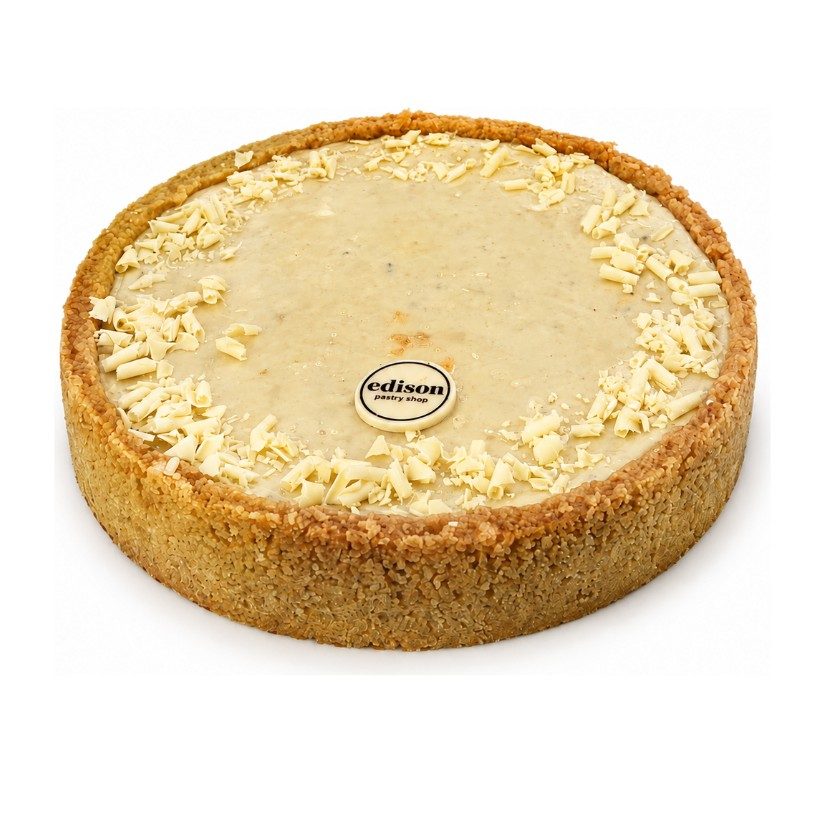
Two cheeses in one dessert: cream cheese and blue cheese. An unusual cheesecake, typically ordered by those who have a moderate sweet tooth and appreciate complex flavors.
What Does It Taste Like?
The cream cheese base provides a rich, neutral creaminess, while the blue cheese adds a salty note with a distinctive moldy aroma. There’s minimal sweetness here: the dessert is closer to a gourmet dish than to a classic cheesecake. The aftertaste is long and distinctive.
Perfect for
Wine tastings, cheese tastings, business meetings, adult anniversaries, New Year’s Eve dinners, and cocktail parties. A great option for guests who “don’t eat sweets”—this dessert often changes that mindset.
Weight and Servings
A whole cheesecake weighs 1 kg and yields 8 servings of approximately 120 g each. It’s the smallest cheesecake in our catalog: designed for a group of six to eight people.
How to Order in Kharkiv
The price for a whole cheesecake is 960 UAH, and for a slice is 120 UAH. We prepare it for your specified date; orders must be placed at least two days in advance. Delivery within Kharkiv or pickup available.
How People Learned to Eat Moldy Cheese
Blue cheeses—a product now considered a delicacy—originated as spoiled food that people chose not to throw away.
The Cave and the Forgotten Lunch
The most famous legend concerns Roquefort. According to the story, a shepherd from the French village of Roquefort-sur-Sulzonn left bread and sheep’s cheese in a cool cave while he was distracted by a girl. When he returned a few weeks later, he found the cheese covered in blue mold—and tried it anyway.
The legend, of course, proves nothing, but it describes a real process: the Combal caves have a constant temperature and humidity, and the mold Penicillium roqueforti naturally thrives in the cracks. The local cheeses developed mold there on their own.
Protection Older Than Most Laws
Roquefort became one of the first products in the world whose origin was protected by law: in 1411, King Charles VI granted the villagers the exclusive right to age the cheese in these caves. The modern system of geographical indications grew out of documents just like these.
A Younger Relative
The German blue cheese after which this dessert is named is much younger—it was first produced in the 1970s as a softer and less salty alternative to the classic varieties. It is precisely because of this softness that it is suitable for a dessert: real Roquefort in a cheesecake would overpower everything else.

 ~1.9 kg