Berry Cheesecake for a Summer Celebration
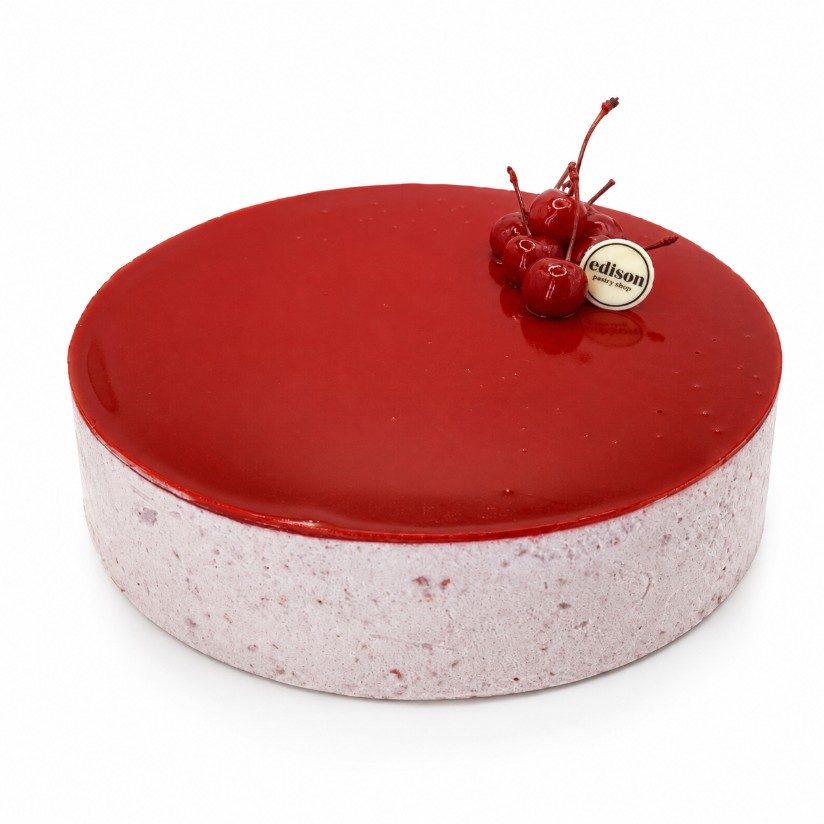
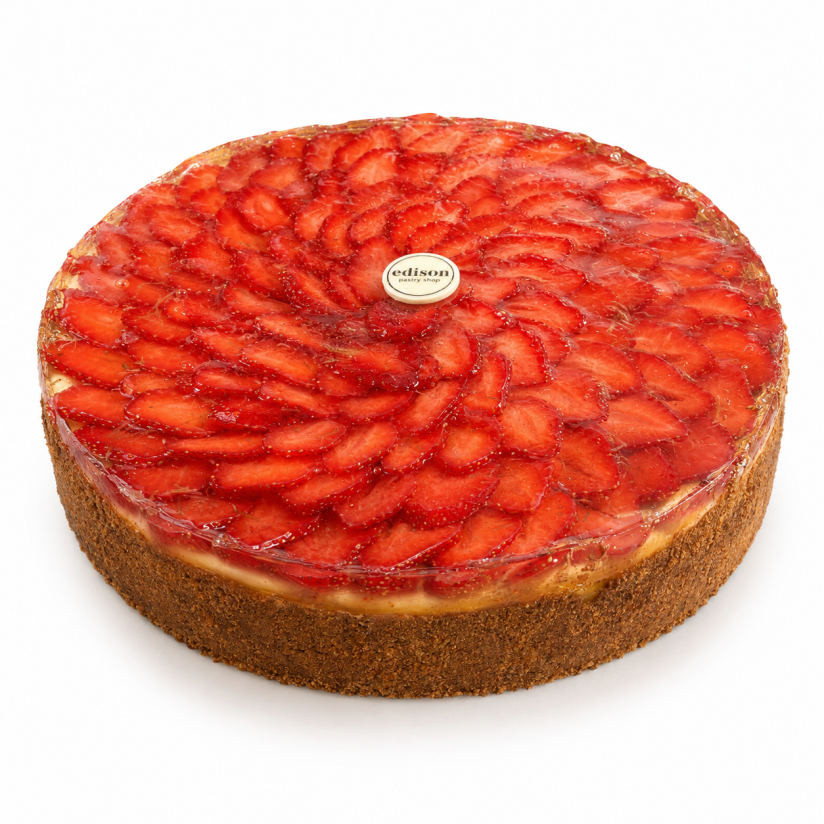
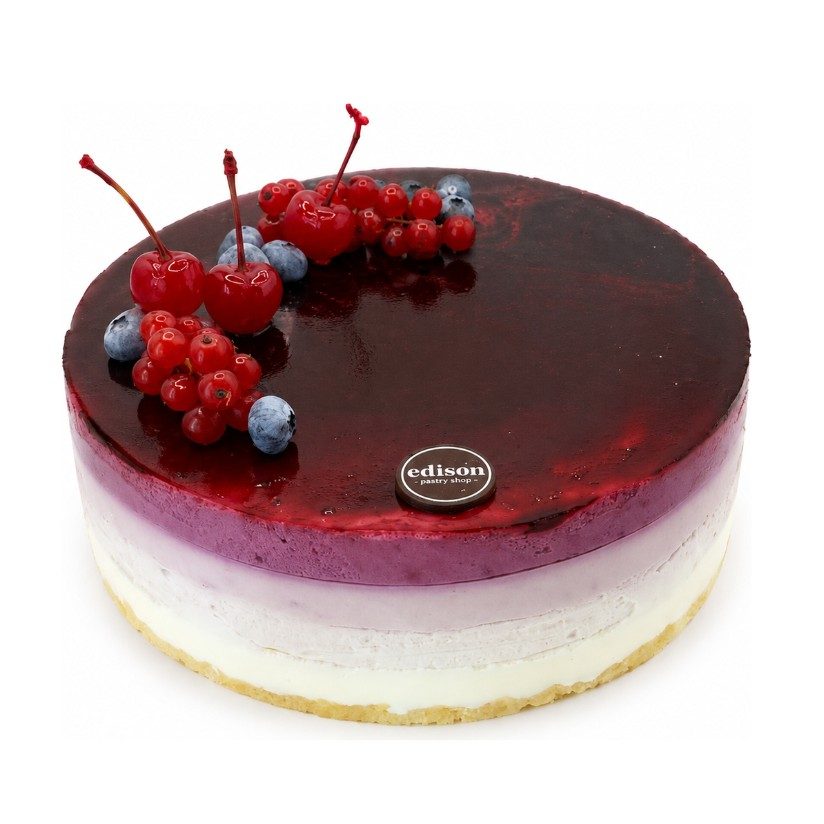
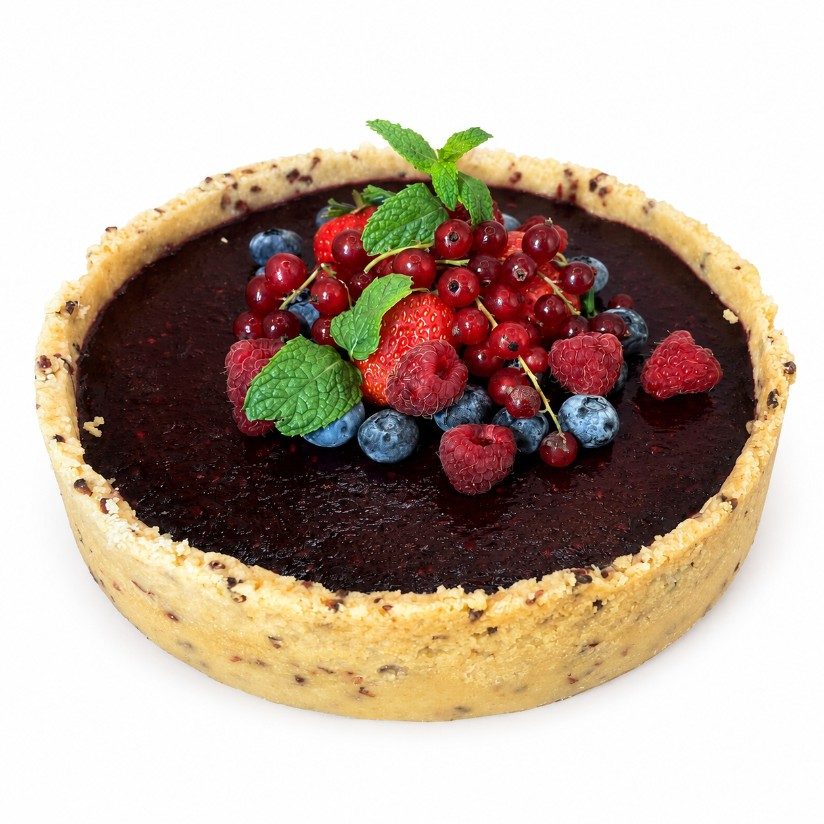
A creamy cheese base and four berries all at once: strawberries, raspberries, cherries, and currants. Each adds its own tartness, and together they keep the dessert from becoming too heavy—even though the cheesecake is filling on its own.
What Does It Taste Like?
The base is classic: thick, smooth, with a rich, creamy flavor and moderate sweetness. The berries are layered—first sweet strawberries, then tangier raspberries, followed by cherries and tart currants. It’s precisely this contrast that makes the flavor dynamic rather than uniform.
Perfect for
Summer birthdays, outdoor weddings and engagement parties, graduations, bachelorette parties, children’s parties, and cocktail receptions. It’s a great way to round out a table already laden with dishes: the tartness of the berries is more refreshing than chocolate.
Weight and Servings
A whole cheesecake weighs 1.7 kg and yields 10 servings of approximately 170 g each. It’s enough for a group of eight to ten guests.
How to Order in Kharkiv
The price for a whole cheesecake is 1350 UAH, and a slice is 135 UAH. We prepare it for your chosen date; orders must be placed at least two days in advance. Delivery within Kharkiv or pickup available.
The History of Berry Desserts in Europe
Berry desserts may seem modern, but the tradition of combining several types of berries into a single dish is one of the oldest in Northern Europe, and the reason for it is purely practical.
Why Berries Were Mixed
Wild raspberries, currants, blackberries, and cherries ripened almost simultaneously and didn’t store well. They weren’t sorted: everything that could be picked in a day went into a single pot. This is how dishes like the German Rote Grütze and the Danish rødgrød came to be—a thick mixture of red berries, cooked with sugar and served with cream. In Denmark, this dish has become so deeply rooted that its name is still used as a pronunciation test for foreigners.
English Summer Pudding
A similar idea in English cuisine gave rise to summer pudding—a mold lined with bread and filled with stewed berries. The recipe emerged in the 19th century as a “diet” dessert for those who were forbidden to eat heavy pastries, and unexpectedly became a classic.
How Berries Ended Up in Cheesecake
A cheesecake base works better with berries than pastry dough: it’s rich and neutral, so it doesn’t clash with the acidity but instead softens it. When American cream cheese cheesecake spread throughout Europe in the 20th century, berry toppings became the most common choice—they restored to the dense dessert the freshness found in traditional berry dishes.

 ~1.4 kg