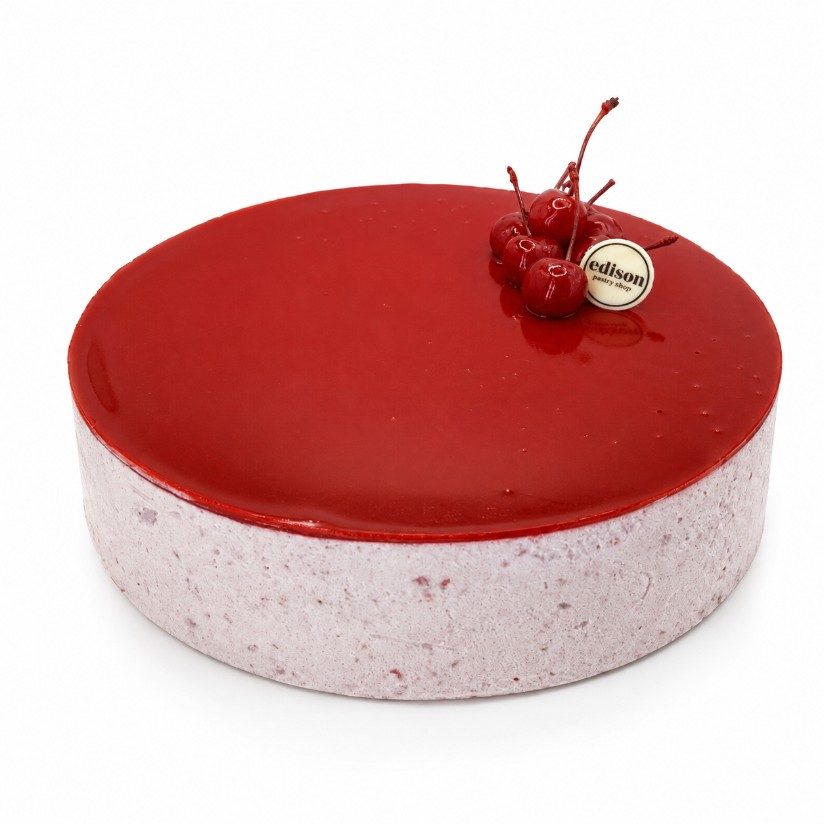
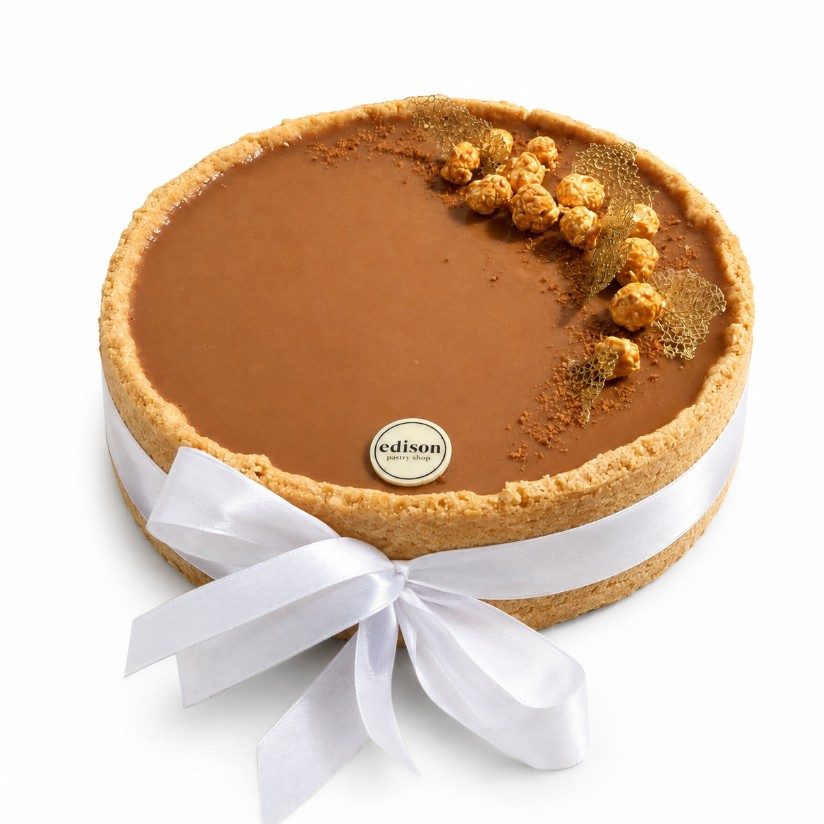
Cherry Cheesecake for a Special Occasion
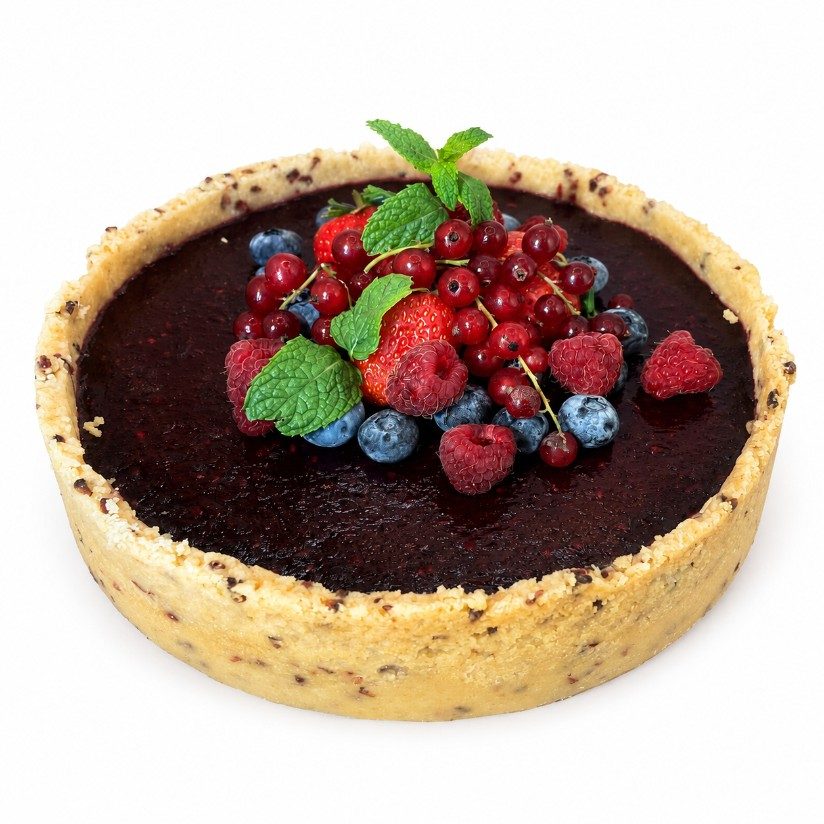
No-bake cheesecake: the filling sets in the fridge, so it stays especially tender and creamy. The crust here isn’t made of shortcrust pastry, but rather oats and hazelnuts—with a noticeable crunch and nutty flavor.
How It Tastes
Philadelphia cream cheese and heavy cream provide a rich, milky base, while the cherries add a juicy tartness. Milk chocolate adds a mild sweetness, lemon provides a refreshing note, and cinnamon and ginger create a warm, spicy undertone that gives the dessert a cozy, almost wintry feel.
What Occasions Is It Suitable For?
It’s perfect for fall and winter: New Year’s and Christmas dinners, birthdays during the colder months, family dinners, and get-togethers with parents. The spicy notes of cinnamon and ginger do the same thing here as they do in mulled wine—they give the celebration a homey feel.
Weight and Servings
A whole cheesecake weighs 2.2 kg and yields 12 servings of approximately 185 g each. It’s one of the largest desserts in our catalog: enough to serve twelve guests.
How to Order in Kharkiv
The price for a whole cheesecake is 1560 UAH, and for a slice, 130 UAH. We prepare it for your chosen date; orders must be placed at least two days in advance. Delivery within Kharkiv or pickup available.
Note: This dessert contains hazelnuts—please let us know if any of your guests have allergies.
The History of No-Bake Cheesecake
Classic cheesecake is baked—that’s how it was made both in Rome two thousand years ago and in New York in the early 20th century. The version that sets in the cold is much younger, and it emerged not because of taste, but because of technique.
First, Gelatin Was Needed
Gelatin had existed before, but until the late 19th century, it was made at home from bones—a long and unreliable process. In the 1890s, American Charles Knox began selling powdered gelatin in packets, and cold desserts became accessible to home kitchens for the first time.
Then the refrigerator became essential
The second requirement was the household refrigerator. It became widespread in the U.S. in the 1930s–1950s, and that’s when an entire genre of “no-bake desserts”—desserts that don’t require baking—emerged. Gelatin and cream cheese manufacturers actively promoted them: recipes were printed right on the packaging.
Why the Texture Is Different
A baked cheesecake gets its structure from egg whites, which coagulate when heated—that’s why it’s denser and slightly springy. In the no-bake version, the structure is held together by gelatin and the fat in the cream, and the mixture turns out softer, almost creamy. This isn’t a simplified version of the recipe—it’s a different dessert with the same name.

 ~1.9 kg