Pistachio Cheesecake for a Special Occasion
One of the most expensive desserts in our catalog—and the reason lies in the pistachios themselves: real pistachio paste costs significantly more than any other nut filling. But the taste is unmistakable.
What Does It Taste Like?
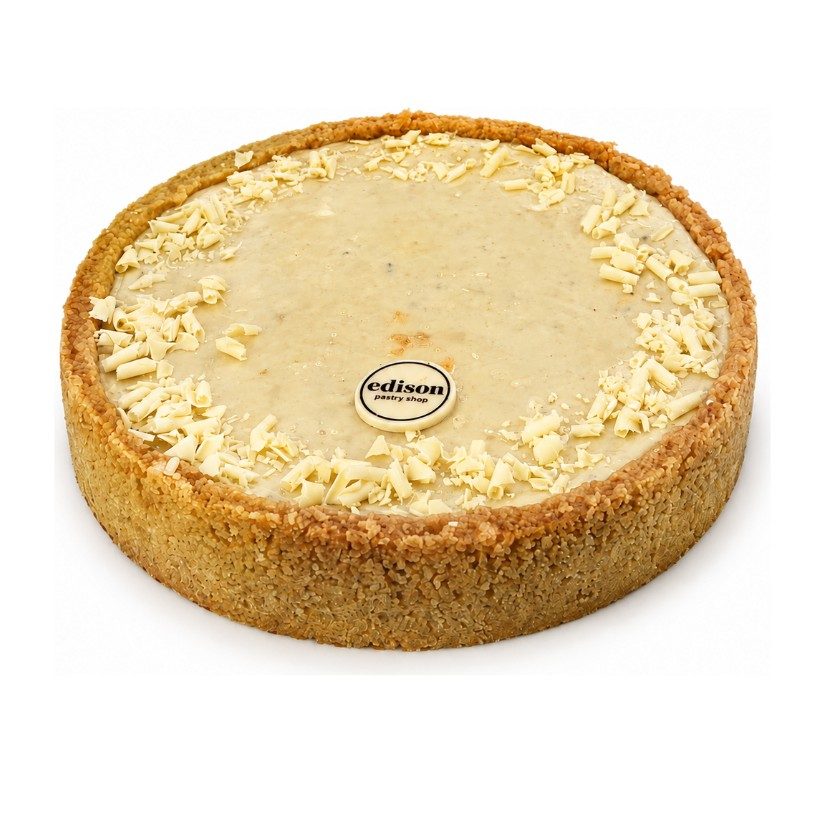
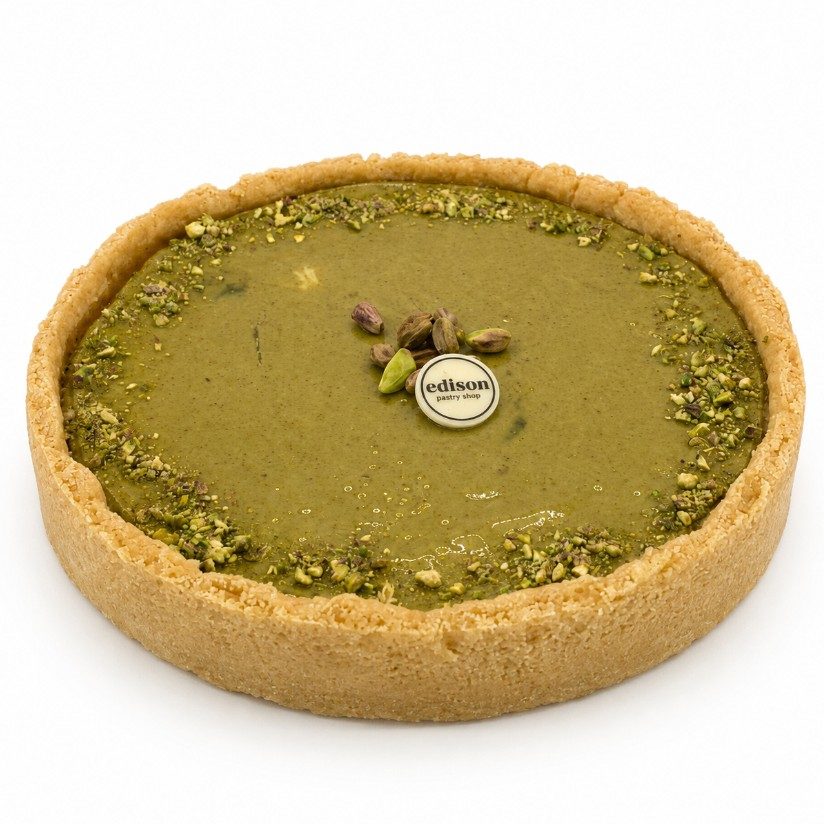
A thin shortcrust base, a thick creamy filling with pistachio paste, and chopped pistachios on top. The flavor is mild, slightly salty, with a distinctive nutty aroma and no cloying sweetness. It’s a dessert that pairs well with coffee in the morning and herbal tea in the evening.
What occasions is it suitable for?
It’s a popular choice for jubilees, anniversaries, weddings, and engagements, as well as for business meetings and as a gift. Its understated appearance makes it ideal for more intimate celebrations. It’s also a great option for those who don’t like things that are too sweet.
Weight and Servings
A whole cheesecake weighs 1.6 kg and yields 12 servings of approximately 130 g each. It’s enough to serve a group of up to twelve guests.
How to Order in Kharkiv
The price for a whole cheesecake is 1860 UAH, and for a slice, 155 UAH. We prepare it for your specified date; orders must be placed at least two days in advance. Delivery within Kharkiv or pickup available.
Note: This product contains nuts—please let us know if any of your guests have allergies.
How cheesecake became a dessert with a hundred flavors
The classic New York cheesecake has no additives: cream cheese, eggs, sugar—and that’s it. The fact that cheesecake today comes in pistachio, chocolate, or berry flavors is thanks to a specific era and a specific city.
Brooklyn, 1950
In 1950, Harry Rosen opened Junior’s restaurant in Brooklyn, where cheesecake became the signature dish. It was there that the dessert evolved from a homemade pie into a restaurant staple with variations: fillings, toppings, and nut butters began to be added to the basic recipe. The concept spread throughout American restaurants and, from there, around the world.
Why Pistachios Came Late to the Party
Pistachio paste remained a niche product for a long time: the nut is expensive, it must be shelled by hand, and without the paste, the flavor of the filling doesn’t come through—whole pistachios just add crunch. Industrial production of the paste began in Italy in the second half of the 20th century, building on a Sicilian tradition where pistachios had been used in ice cream and cannoli since Arab times.
That is why pistachio cheesecakes are a relatively recent phenomenon, even though both of their components are much older than the other.

 ~1.9 kg