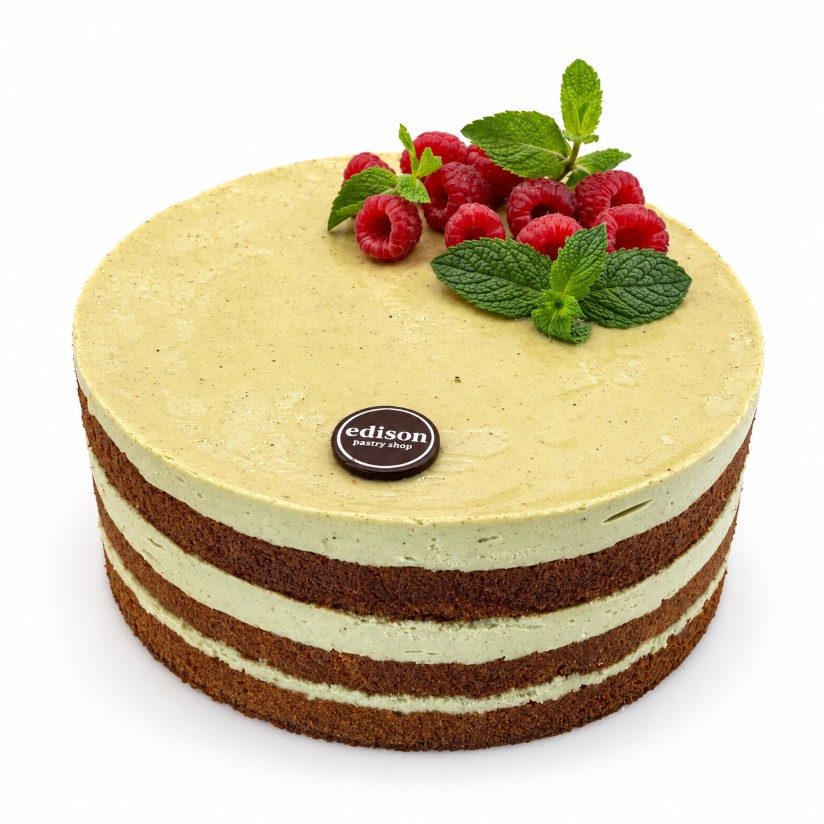
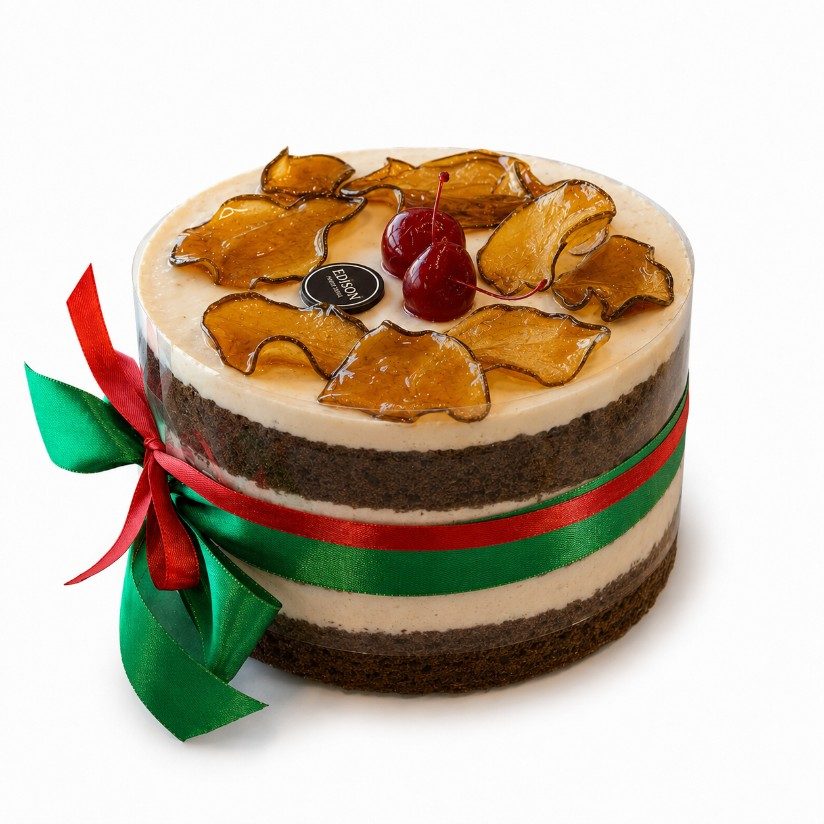
“Pear – Dor-Blue” Cake for Foodies
A blue cheese cake isn’t a dessert for everyone—and that’s fair enough. But for those who love complex flavors, it becomes a favorite: sweet pear and salty blue cheese create a combination that has been considered a culinary classic for centuries.
What Does It Taste Like?
The pear adds a honey-like sweetness and juiciness, while the cheese contributes a deep, salty note with a distinctive aroma. They don’t blend into a single flavor but come through in turn: first, you taste the fruit’s softness, then the cheese’s accent emerges, followed by a long aftertaste. The cake is moderately sweet—more like a gourmet dessert than a typical festive one.
What Occasions It’s Perfect For
It’s served at anniversaries and birthdays with adult guests, at business meetings and corporate events, at wine tastings and cheese pairings, and on New Year’s and Christmas. It’s a great gift for someone who “doesn’t like sweets”—this cake often changes that perception.
Weight and Servings
A whole cake weighs 1.7 kg and yields 10 servings, each weighing approximately 220 g. The servings are generous, so it’s easily enough for a group of eight to ten guests.
How to Order in Kharkiv
The price for a whole cake is 1400 UAH, and a slice is 140 UAH. The cake is prepared for your specified date; orders must be placed at least two days in advance. Delivery is available throughout Kharkiv, or you can pick it up from one of our cafes.
The History of the Pear and Blue Cheese Combination
The “pear and blue cheese” pairing isn’t a pastry innovation, but an old culinary tradition. In Europe, it was known long before it found its way into desserts: blue cheese was served with pears, grapes, nuts, and honey as a finishing touch to a meal.
Why pears, specifically?
It comes down to the chemistry of flavor. Blue cheeses have a salty, pungent flavor that needs to be balanced with something that’s both sweet and juicy. Honey is too thick for this, apples are too tart, but pears combine a mild sweetness with high juiciness and a neutral aroma. That’s why classic cheese platters almost always include pears.
The Origins of the Cheese Itself
Blue cheeses predate most desserts: French Roquefort is mentioned in documents as early as the 15th century, and Italian Gorgonzola dates back to roughly the same era. The German cheese after which our cake is named is much younger: it was first produced in the 1970s as a milder version of classic blue cheeses—less salty and less pungent. It is precisely because of this mildness that it is suitable for a dessert: real Roquefort in a cake would overpower everything else.

 ~2.3 kg