Lavender Cake — A Delicate Dessert for a Special Occasion
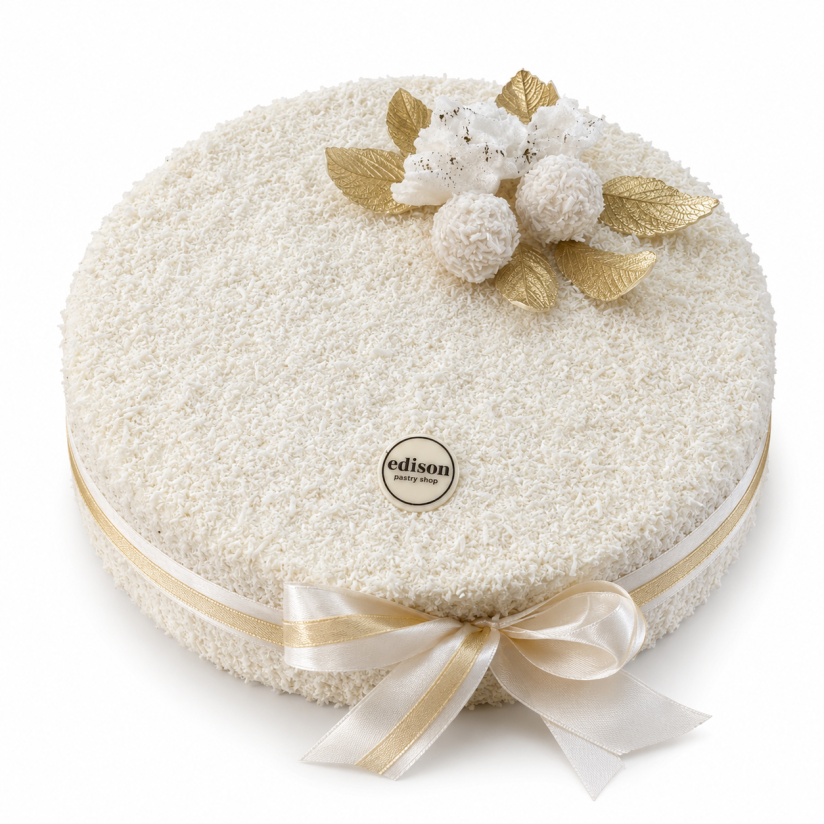
Using lavender in a dessert is always a delicate balancing act: a little less than needed, and you won’t smell the fragrance; a little more, and the cake will start to taste like perfume. In our lavender cake, it remains just a hint: first you taste the creaminess, and only then does the floral aftertaste emerge.
What Does It Taste Like?
The base is a rich, creamy filling—soft and not cloying. Lavender acts as a fragrance rather than a flavor: it makes the dessert feel fresher and slightly cooler, so the cake doesn’t feel heavy even at the end of a meal. This is a dessert for those looking for something more delicate than chocolate and more interesting than vanilla.
What Occasions It’s Perfect For
Lavender cake is a popular choice for weddings and engagements, anniversaries, bachelorette parties, birthdays during the warmer months, intimate dinners, and photo shoots. It looks great with light-colored table settings and is perfect for celebrations that are more calm and elegant than boisterous.
Weight and Servings
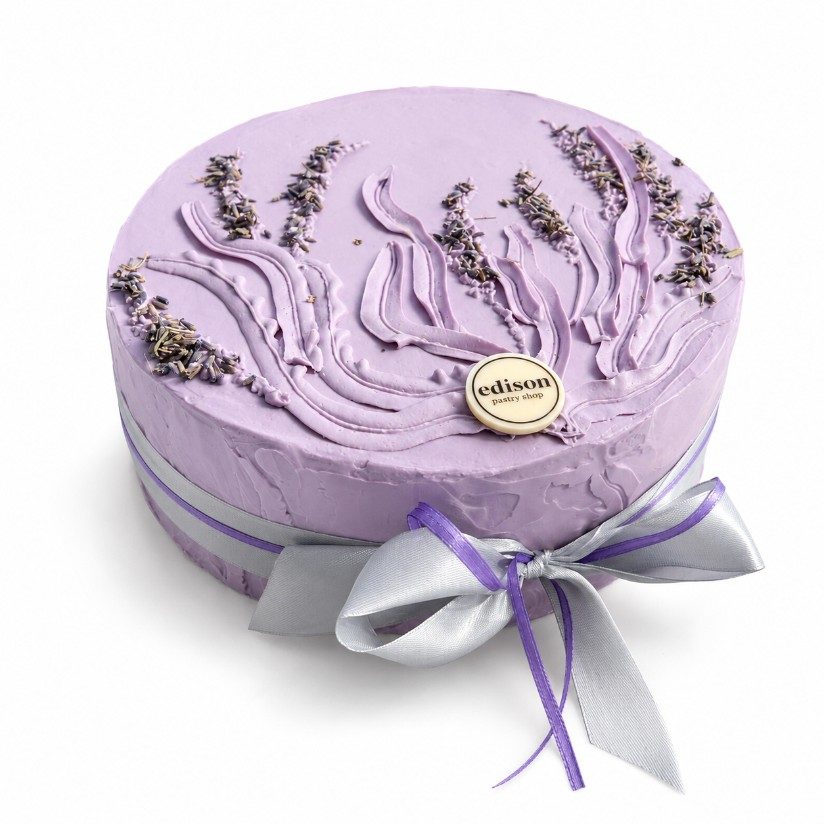
A whole cake weighs 1.6 kg and yields 10 slices, each weighing approximately 200 g. The slices are large, so it’s more than enough for a group of eight to ten guests.
How to Order in Kharkiv
The price for a whole cake is 1300 UAH, and a slice is 130 UAH. The cake is prepared for your specific date, so please place your order in advance—at least two days ahead of time. Delivery within Kharkiv and pickup are available.
The History of the Lavender Dessert
The lavender cake has no single creator or date of origin—unlike the “Napoleon” or “Sacher,” it’s not a historical recipe but a modern dessert. Lavender itself, however, has a long history in the kitchen.
A Spice, Not a Flower
In Provence, lavender has been used for centuries specifically as a spice: it is part of the classic “herbes de Provence” blend, along with thyme, rosemary, and marjoram. There, it was added to meat and vegetables, not to sweet dishes—its aroma was considered too strong for desserts.
How Lavender Made Its Way into Pastry Making
It didn’t find its way into sweet treats until much later, along with the trend toward floral and herbal flavors in European pastry making in the late 20th century. That’s also when the key technique was discovered: instead of adding lavender to the batter, it’s steeped in cream or milk and then strained—this preserves the aroma without the bitterness. Our cake is based on this very principle.

 ~2.3 kg