“Basil–Lime–Pistachio” Mousse — An Unusual Cake for a Special Occasion
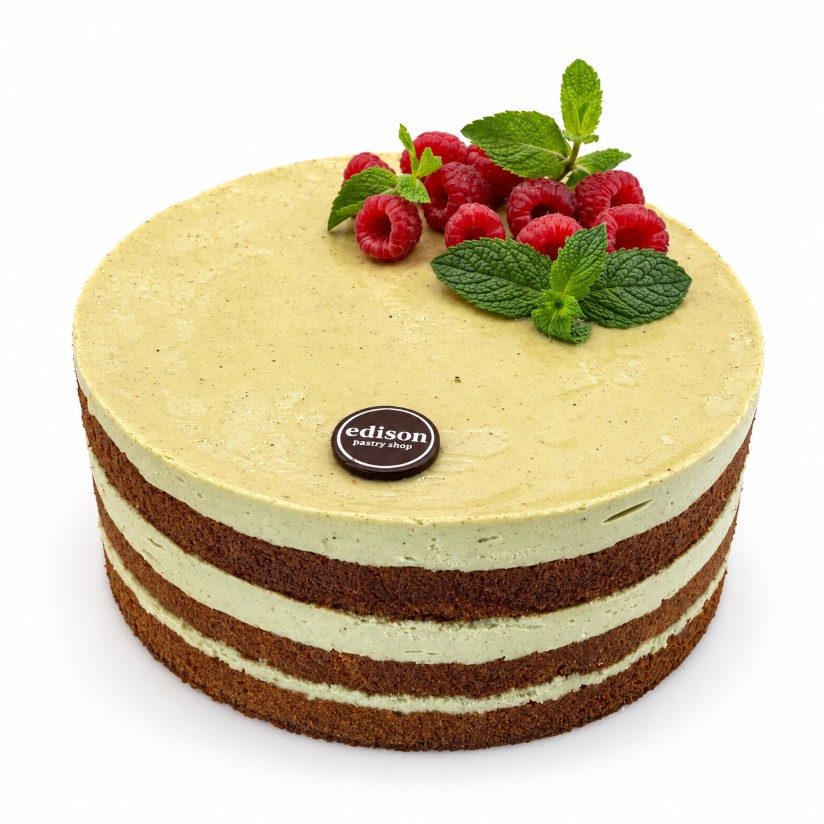
The most unusual dessert on the menu: basil in a cake. The base is gluten-free—a sponge cake made with pistachio and almond flour, without wheat.
What does it taste like?
The pistachio sponge cake is soft and nutty, and the mousse is light and airy. Lime adds a tangy citrus note, while basil brings a herbaceous freshness with a subtle hint of anise. The flavor is unusual but not overpowering: here, basil serves as a flavoring rather than as a salad herb.
What Occasions It’s Perfect For
Summer celebrations, bachelorette parties, engagement parties, business receptions, adult birthdays, and gourmet dinners. It works well whenever the dessert is meant to surprise, rather than simply round out the meal.
Weight and Servings
A whole cake weighs 1.3 kg and yields 12 servings of approximately 120 g each. It’s enough for a group of up to twelve guests. The sponge cake is made without wheat flour.
How to Order in Kharkiv
The price for a whole cake is 1560 UAH, and for a slice, 130 UAH. The cake is prepared for your specified date; orders must be placed at least two days in advance. Delivery within Kharkiv or pickup available.
Note: This cake contains nuts—please let us know if any of your guests have allergies.
The History of Basil in the Kitchen
Basil is native to India, where it has never been merely a seasoning: a variety called tulasi is considered a sacred plant and still grows near temples and in people’s yards.
A Name from Greek
The European name comes from the Greek word basilikon, meaning “royal.” Various explanations have been offered: some linked the plant to royal ointments and perfumes, while others tied it to the legend that basil was found at the site where Empress Helena discovered the Cross.
Attitudes toward it in Europe remained controversial for a long time: in some countries, basil was considered a herb of mourning and was planted on graves, while in others it was seen as a symbol of love. In Italy, a sprig of basil on a windowsill signaled that a young woman was ready to receive suitors.
How the Herb Found Its Way into Desserts
Basil only became a culinary classic in modern Italian cuisine—along with tomatoes, which were not found in Europe until the 16th century. It made its way into desserts in the late 20th century, when pastry chefs began using herbs as aromatic additions: basil, rosemary, and thyme are infused in cream just as lavender or mint are.
Basil pairs especially well with lime: their essential oils partially overlap, so the herbal and citrus aromas do not clash but rather enhance each other. This same principle is familiar from cocktails.

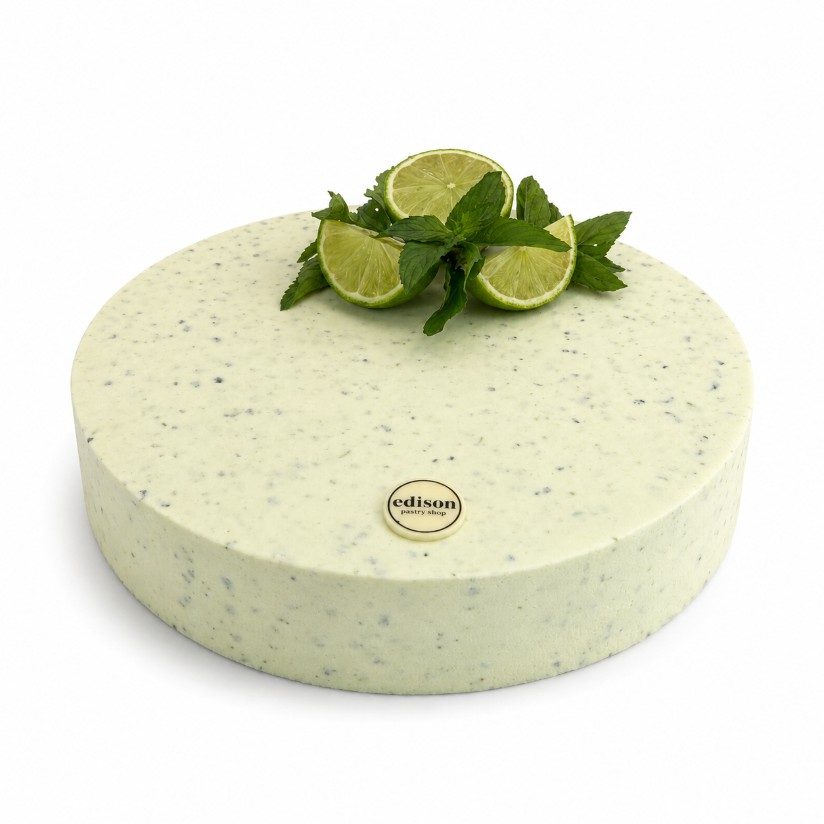
 ~2.3 kg