Peanut Cookies to Go with Tea
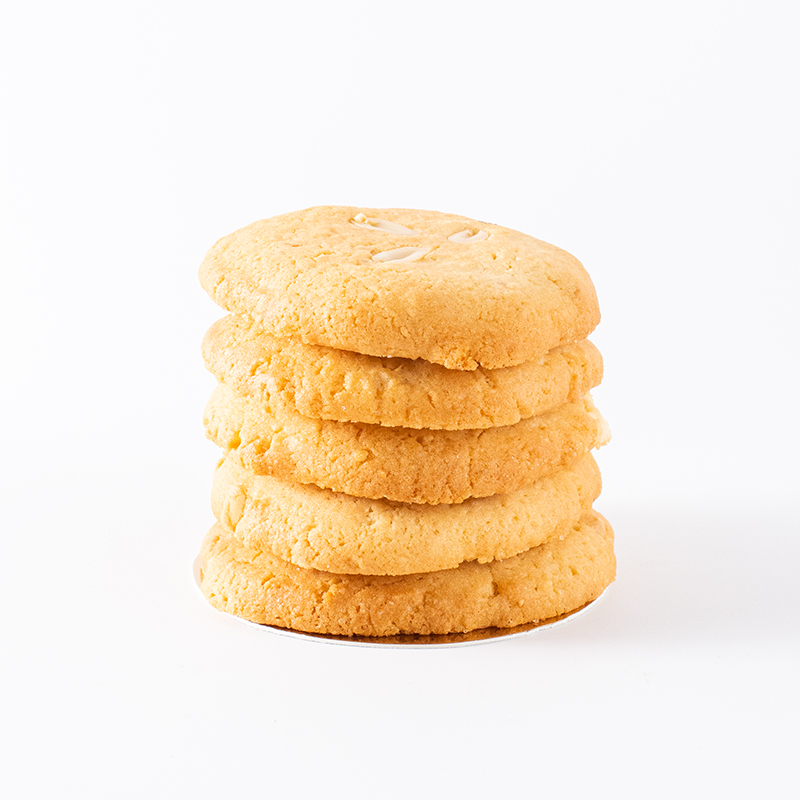
Crunchy peanut cookies—simple, satisfying, and with just the right hint of saltiness that makes it hard to stop at just one.
What They Taste Like
Roasted peanuts provide a rich nutty flavor with a hint of saltiness, while the cookie base is buttery and crispy. The sweetness is moderate: the salt from the peanuts balances out the sugar, so the cookies aren’t cloying.
When to Enjoy Them
With coffee or tea, as a snack, on the go, during office breaks, at a buffet, or for kids to take to school. They store well and don’t require refrigeration.
Size and Weight
Sold individually; one cookie weighs approximately 40 g. Price: 40 UAH.
How to Order in Kharkiv
Order on our website or pick them up at our coffee shops. Delivery within Kharkiv and in-store pickup are available.
Note: Contains peanuts—please let us know if you have an allergy.
The History of Peanuts
Peanuts aren’t nuts—they’re legumes—and their journey into the world of confectionery has been a long and political one.
South America and Africa
The peanut is native to South America, where it has been cultivated for at least three thousand years. Spanish and Portuguese sailors brought the plant to Africa and Asia, and it was from there that it made its way to North America—along with slave ships. Because of this, peanuts were considered “poor people’s food” in the United States until the 20th century.
The Scientist Who Changed Perceptions
The early 20th century marked a turning point. Agronomist George Washington Carver, who was born into slavery, persuaded Southern farmers to rotate cotton with peanuts to replenish depleted soil. To ensure a market for the crop, he developed hundreds of ways to use peanuts—from oil to cosmetics.
His work turned peanuts into a mass-produced crop, and with it, peanut butter—without which American confectionery would not exist today.
A Pattern Made with a Fork
The tradition of pressing peanut cookies with a fork in a crisscross pattern emerged in the 1930s: recipes with this instruction were published in American cookbooks. The reason is practical—dough made with peanut butter is dense and doesn’t spread well during baking, so it needs to be flattened.

 ~2.3 kg