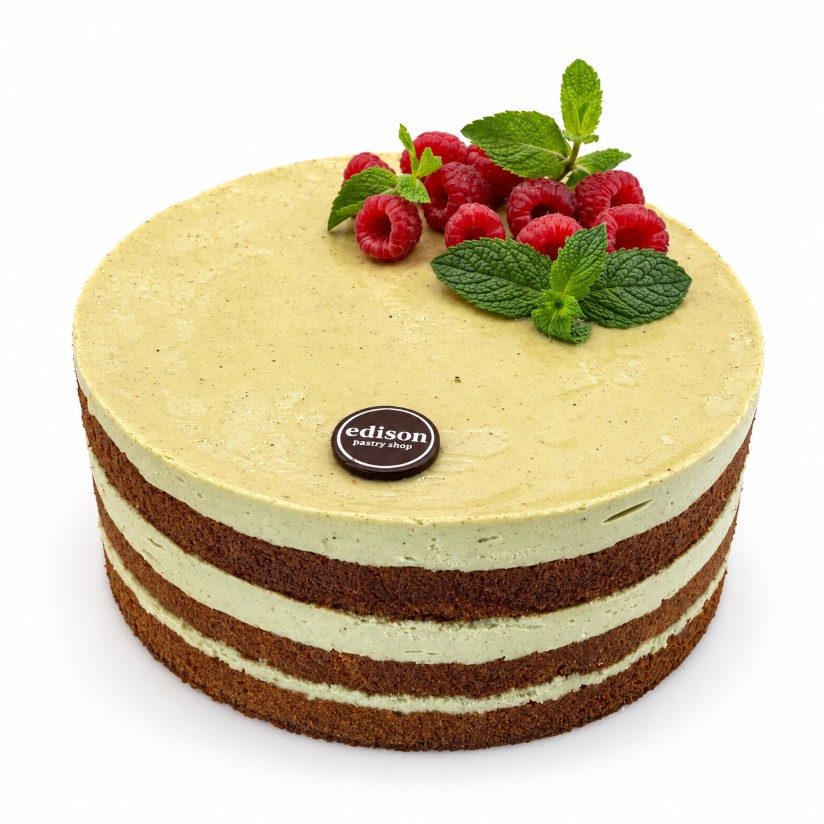
“Marble” Cake — an exquisite cake for special occasions
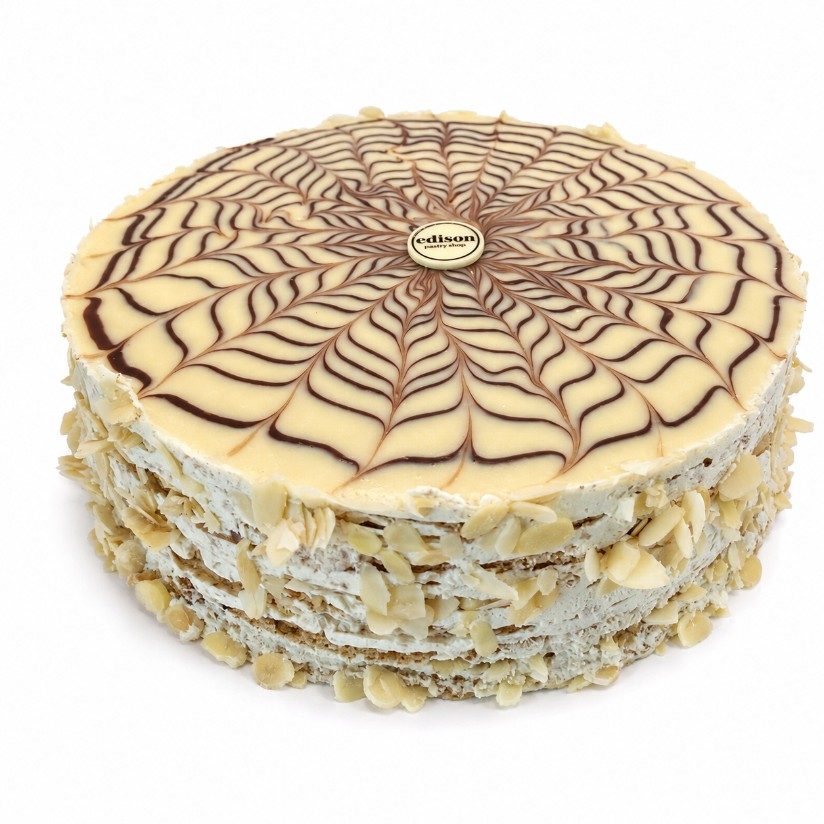
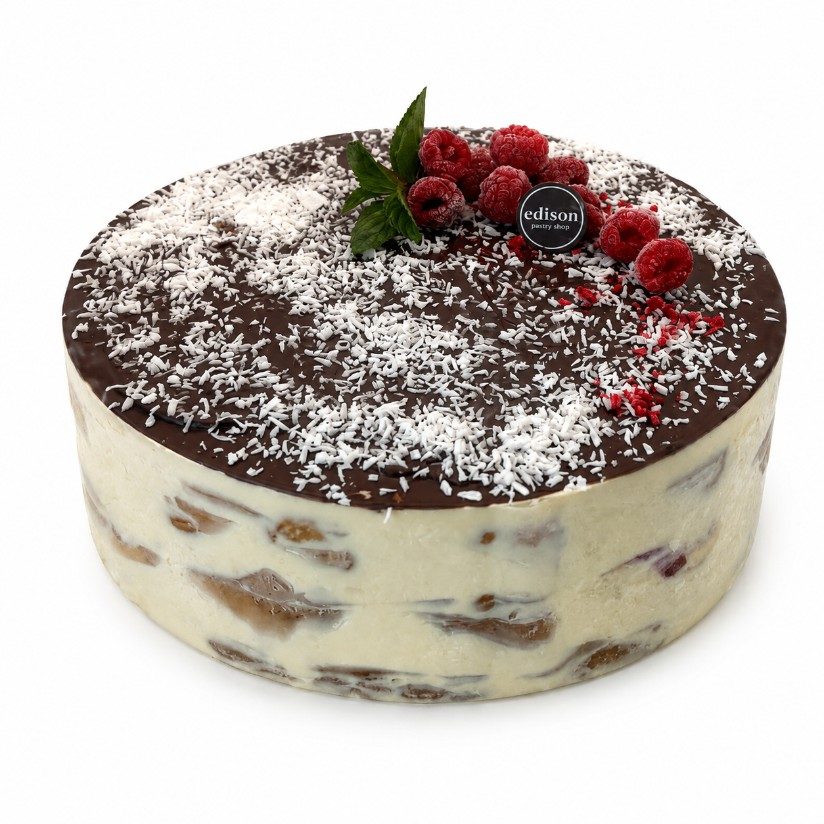
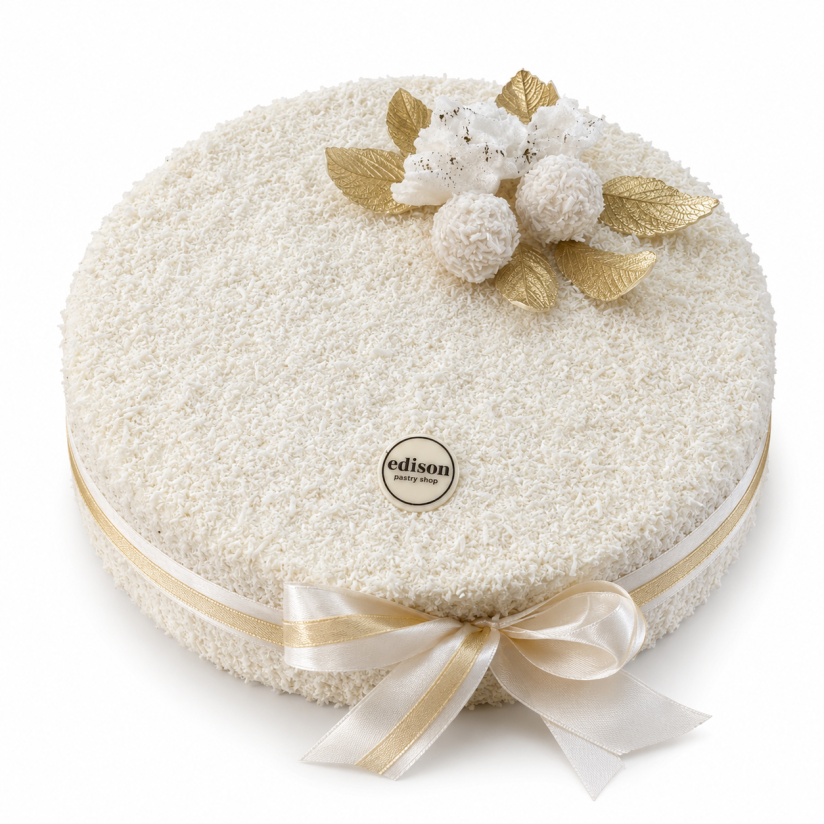
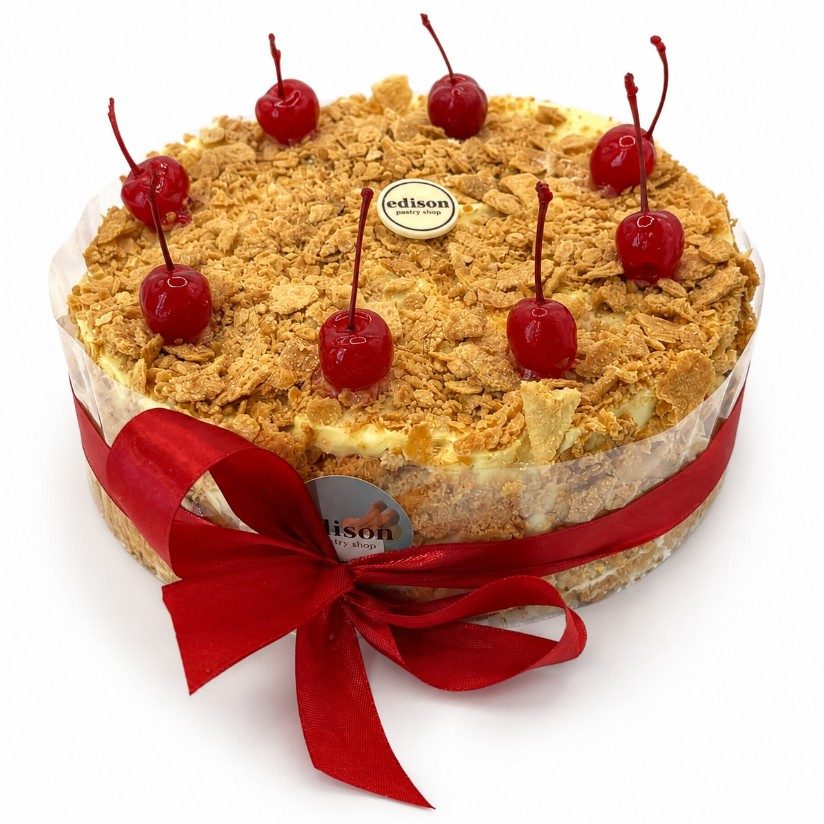
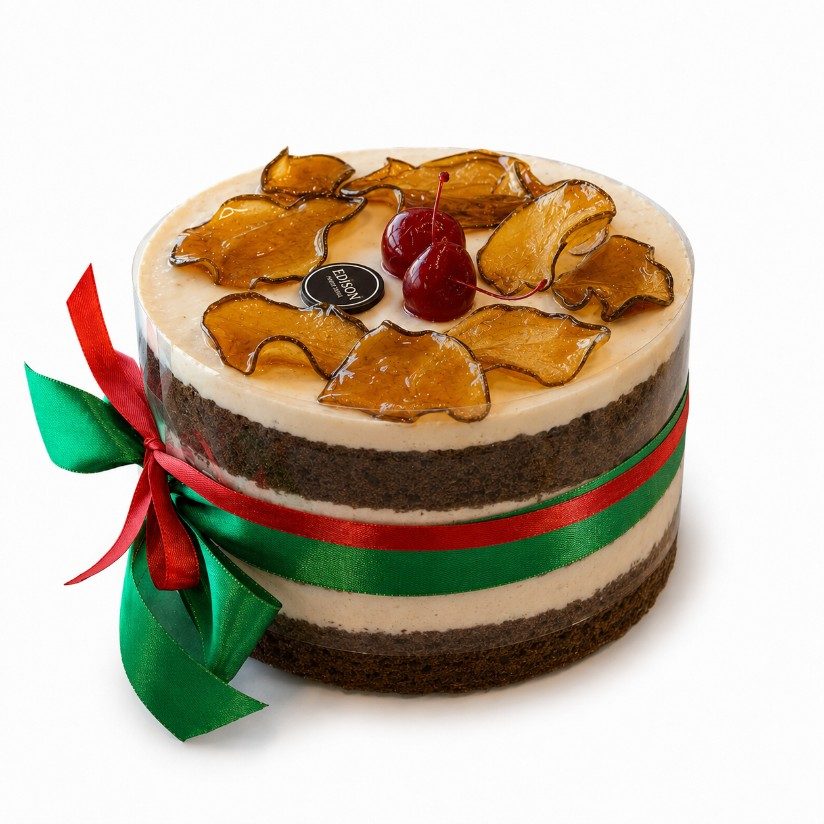
The most expensive and most complex cake in the catalog. The base is an almond flour dacquoise, with raspberry and cream cheese layers inside, and a white and milk chocolate mousse with a marbled pattern on the outside.
What Does It Taste Like?
The dacquoise provides a light crunch and almond flavor, the cream cheese layer offers a creamy richness, and the raspberries add a sharp tartness. The two-chocolate mousse envelops it all in a soft sweetness. The flavor is multi-layered: it evolves from the first bite to the aftertaste.
Perfect for
Weddings, engagements, jubilees, anniversaries, formal dinners, and events where the cake is served separately. The marbled pattern looks great both on the table and in photos, so it’s a perfect choice for occasions where the dessert is meant to be the centerpiece of the table.
Weight and Servings
A whole cake weighs 2 kg and yields 12 servings of approximately 155 g each. One of the largest in our catalog—enough for twelve guests.
How to Order in Kharkiv
The price for a whole cake is 2160 UAH, and a slice is 180 UAH. The cake is made fresh for your event; orders must be placed at least two days in advance. Delivery within Kharkiv or pickup available.
Note: This cake contains almond flour—please let us know if any of your guests have nut allergies.
The History of Dacquoise and the Marble Pattern
Beneath the layer of mousse in this cake lies a dacquoise—a nutty meringue that gave its name to an entire genre of French desserts.
The City That Gave It Its Name
The word “dacquoise” means “from Dax”—a small town in southwestern France, in Gascony. For centuries, Dax was a resort town known for its thermal springs, and local pastry chefs created a dessert for guests made of almond meringue layered with cream. Over time, the name came to refer not to a specific cake, but to the type of cake base itself: whipped egg whites mixed with ground almonds or hazelnuts.
Why Dacquoise, Not Sponge Cake
The difference is fundamental. Sponge cake relies on flour and quickly absorbs moisture from the cream, causing it to become soft. Dacquoise contains almost no flour—it’s made of almonds and egg whites—so it stays crisp longer and doesn’t get soggy under the mousse. That’s exactly why modern mousse cakes are mostly built on it.
Where Does the Marbled Pattern Come From?
Marbling came to pastry-making from bookbinding: in 17th–18th-century Europe, this was how paper for book endpapers was dyed—drops of paint were spread across the surface with a comb. Pastry chefs borrowed both the technique and the name. In desserts, it works the same way: two colors of frosting or mousse are applied side by side and swirled without mixing them until uniform—which is why the pattern is unique every time.

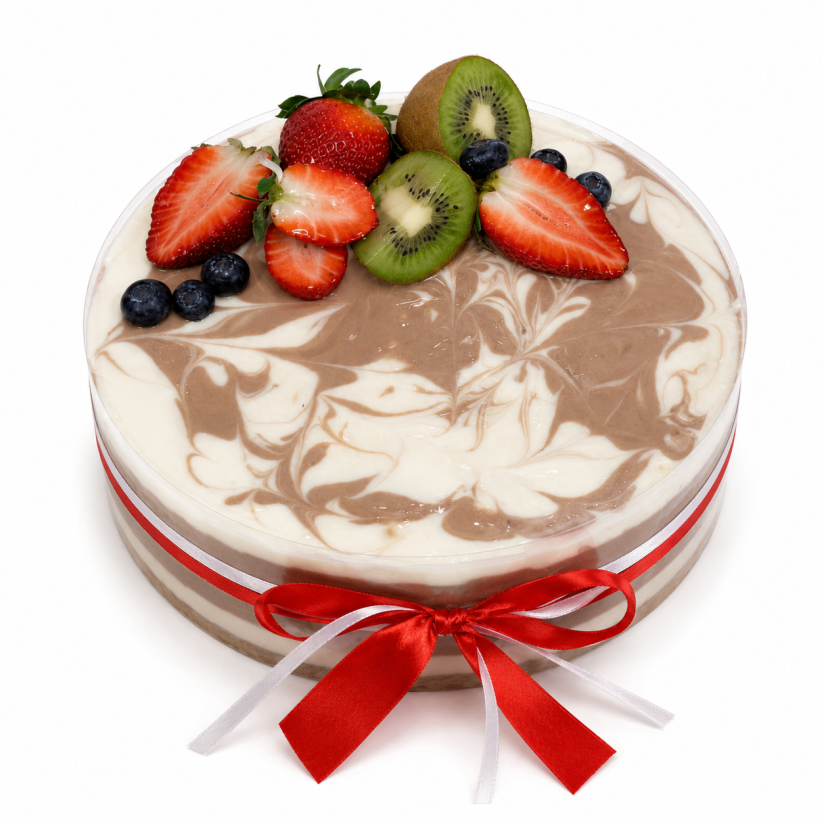
 ~2.3 kg