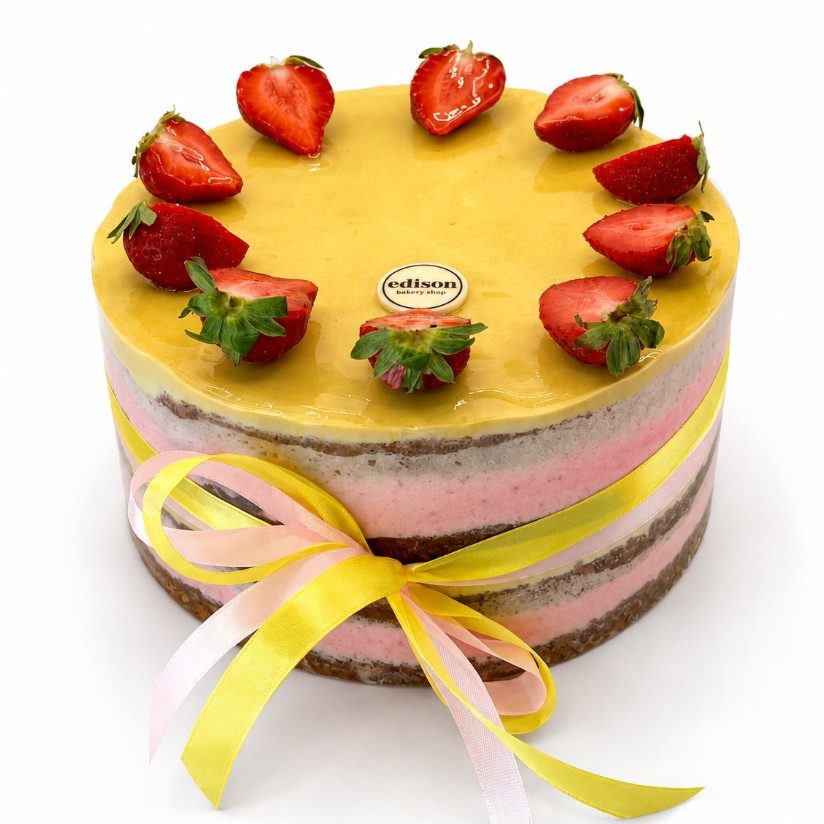
“Sea Buckthorn Mousse” Cake for Special Occasions
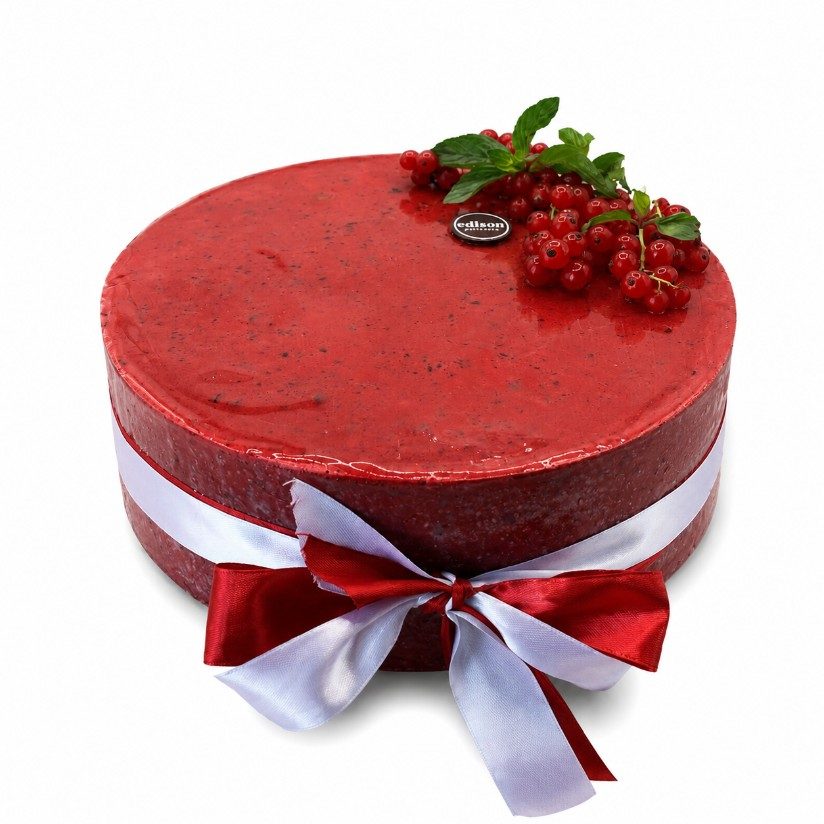
One of the most unusual flavors in the catalog. Sea buckthorn is sharp, vibrant, and unlike anything else—its acidity is higher than that of a lemon, which is precisely why a mousse made with cream cheese and heavy cream is a must here.
What Does It Taste Like?
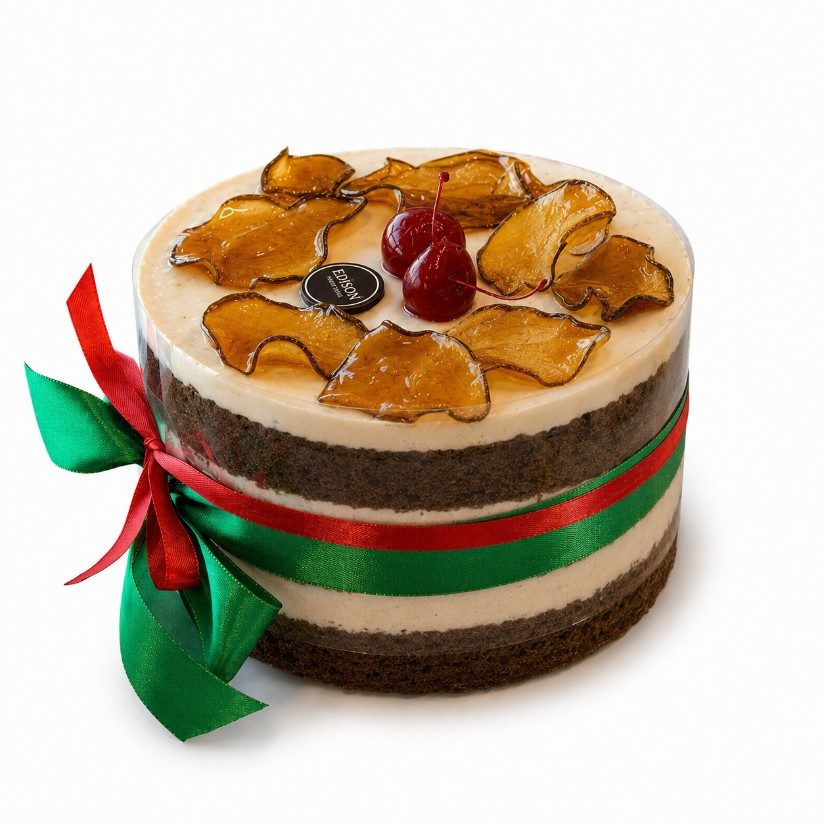
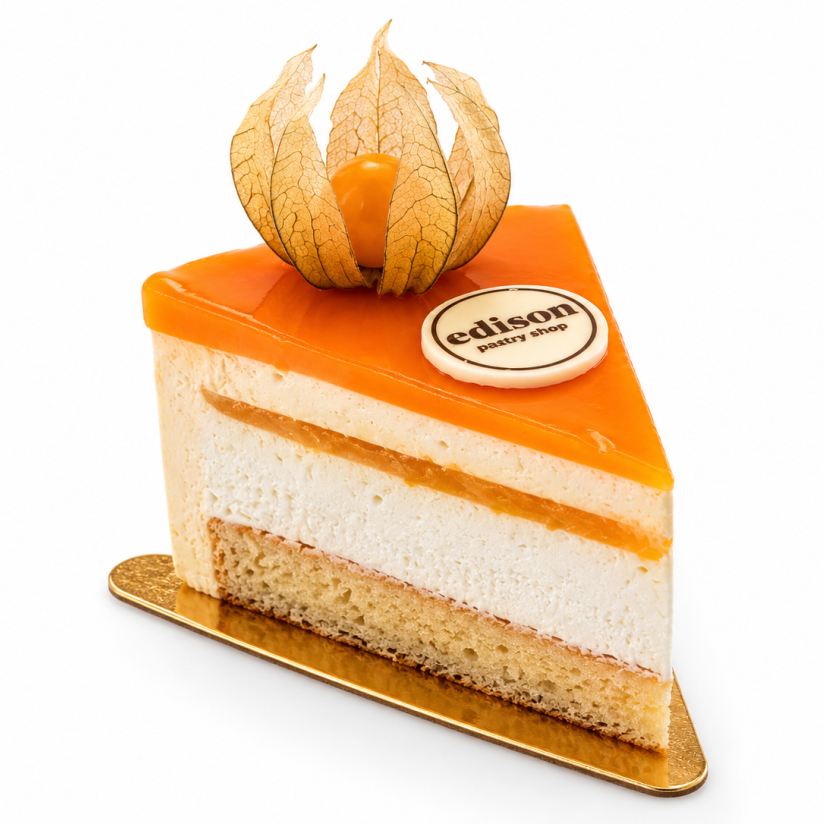
Sea buckthorn delivers a powerful tartness with a distinctive aroma that hints at both pineapple and something pine-like at the same time. The creamy mousse made with cream cheese softens this intensity and rounds out the flavor. The almond sponge cake adds a nutty base. The cake is fresh, vibrant, and not at all cloying.
What occasions is it suitable for?
Fall and winter gatherings, New Year’s Eve dinners, adult birthday parties, and gourmet dinners. Sea buckthorn is closely associated with the colder months—that’s when this cake is ordered most often.
Weight and Servings
A whole cake weighs 1.3 kg and yields 10 servings of approximately 120 g each. Enough for a group of eight to ten guests.
How to Order in Kharkiv
The price for a whole cake is 1450 UAH, and for a slice, 145 UAH. The cake is prepared for your specified date; orders must be placed at least two days in advance. Delivery within Kharkiv or pickup available.
Note: This cake contains almonds—please let us know if any of your guests have nut allergies.
The History of Sea Buckthorn
Sea buckthorn has one of the most interesting names in botany—and it’s connected not to people, but to horses.
“Shining Horse”
The plant’s Latin name is Hippophae, derived from the Greek words for “horse” and “shine.” According to ancient accounts, sea buckthorn leaves were fed to horses: their weight improved, and their coats became glossy. One theory suggests that sea buckthorn was also given to the horses of Olympic chariots—specifically to enhance their appearance before competitions.
A Plant That Holds the Soil in Place
Sea buckthorn is extremely undemanding: it grows on sandy soils, withstands frost and saline soils, and its roots stabilize loose slopes. For this reason, it was planted for centuries not for its berries, but to strengthen riverbanks and combat erosion—from the Alps to the Himalayas.
How the Berry Became a Food Crop
Serious cultivation of sea buckthorn for its fruit began only in the 20th century, in the Altai region: it was there that the first large-fruited, thornless varieties were developed, since harvesting the wild berry was nearly impossible. It was also discovered at that time that sea buckthorn contains more vitamin C than lemons, and that the oil from its seeds has value of its own.
Sea buckthorn was the last to find its way into confectionery—due to its acidity, which for a long time presented a challenge. The solution was found in mousse cakes: rich whipped cream tempers the tartness and leaves only the aroma.

 ~2.3 kg