“Chocolate–Lemon” Cake for a Special Occasion
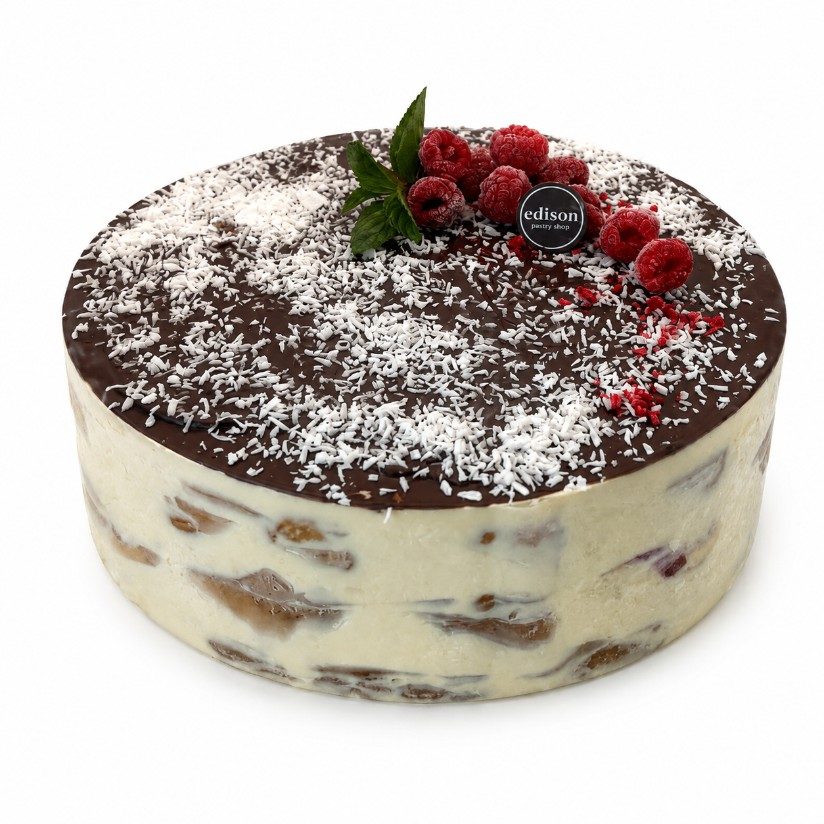
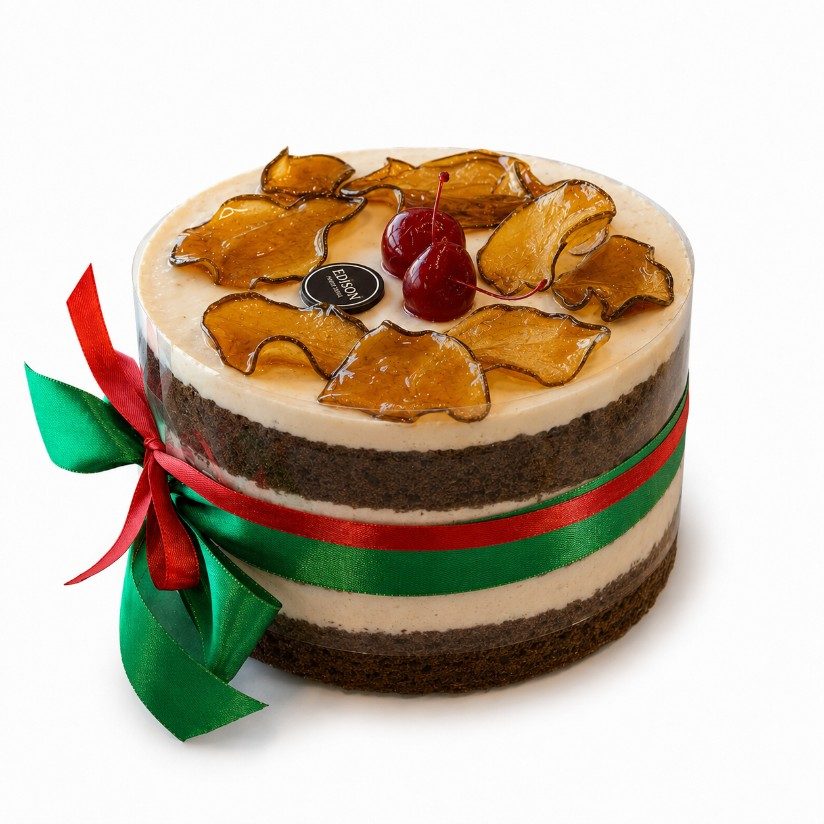
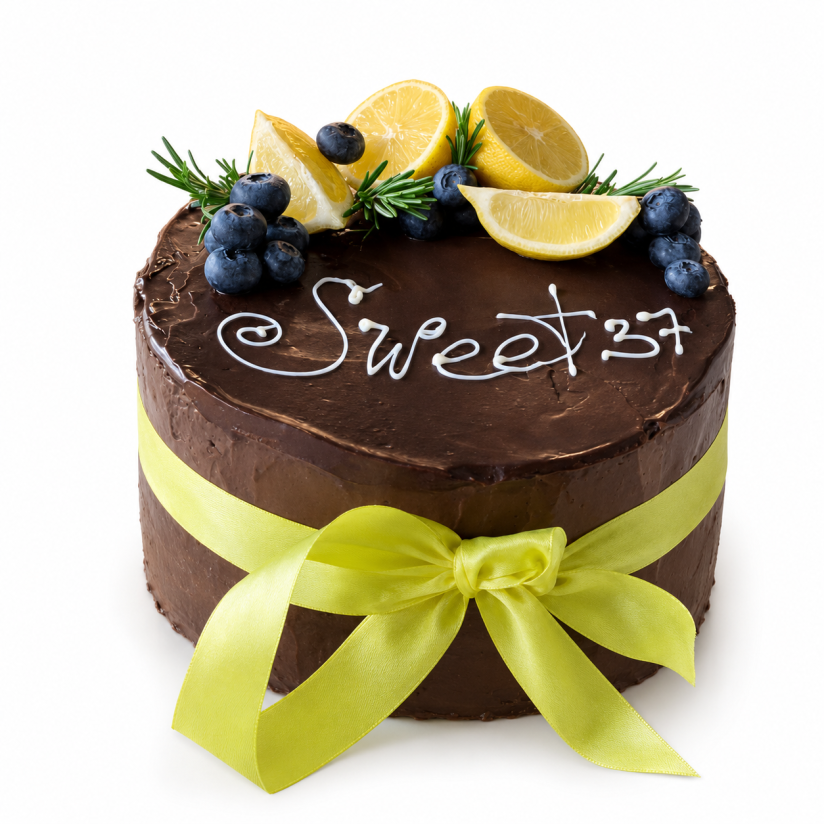
A deliberate contrast: rich dark chocolate and tangy lemon curd. There’s no attempt to soften the flavors—they work precisely because of their clash, and that’s the whole concept behind the cake.
How It Tastes
The cake layers are shortbread-style—chocolatey and crunchy, not sponge cake. The dark chocolate mousse is thick and not overly sweet, with a noticeable hint of cocoa bitterness. The lemon curd is bright and tart; it cuts through the chocolate and keeps the flavor from becoming too heavy. After every bite, you’re left with a sense of freshness, not heaviness.
Perfect for
It’s perfect for adult birthdays and anniversaries, intimate dinners, office parties, and New Year’s celebrations. This is a cake for those who usually say they don’t like sweets: it has less sugar than it has character.
Weight and Servings
A whole cake weighs 1.3 kg and yields 10 servings of approximately 170 g each. It’s enough for a group of eight to ten guests.
How to Order in Kharkiv
The price for a whole cake is 1250 UAH, and a slice is 125 UAH. We prepare it for your chosen date; orders must be placed at least two days in advance. Delivery within Kharkiv or pickup available.
The History of Lemon Curd
Lemon curd is a 19th-century English invention, and at first, it had nothing to do with cakes.
A Spread for Tea
The first printed recipes for lemon curd appeared in English cookbooks in the 1840s. It was made at home in small batches and served just like jam: with bread, rolls, and scones at five o’clock. Lemon curd differed fundamentally from jam—it was thickened not with pectin, but with eggs and butter, so it turned out thick and creamy and kept for only a few days.
Why the Name?
The word “curd” means “cheese” or “clot”—it’s also the name for what forms when milk curdles. The name comes from its appearance: lemon juice curdles the egg mixture, and the mass thickens almost exactly like milk does when acid is added.
How Curd Found Its Way into Chocolate Cakes
Curd made its way into large-scale pastry production in the 20th century, when pastry chefs began deliberately building desserts around contrasts. Chocolate turned out to be the perfect pairing: cocoa provides bitterness and richness, while citrus adds acidity and freshness, and neither overpowers the other. Today, this is one of the fundamental combinations in modern pastry-making.

 ~2.3 kg