Tiramisu — a classic Italian dessert
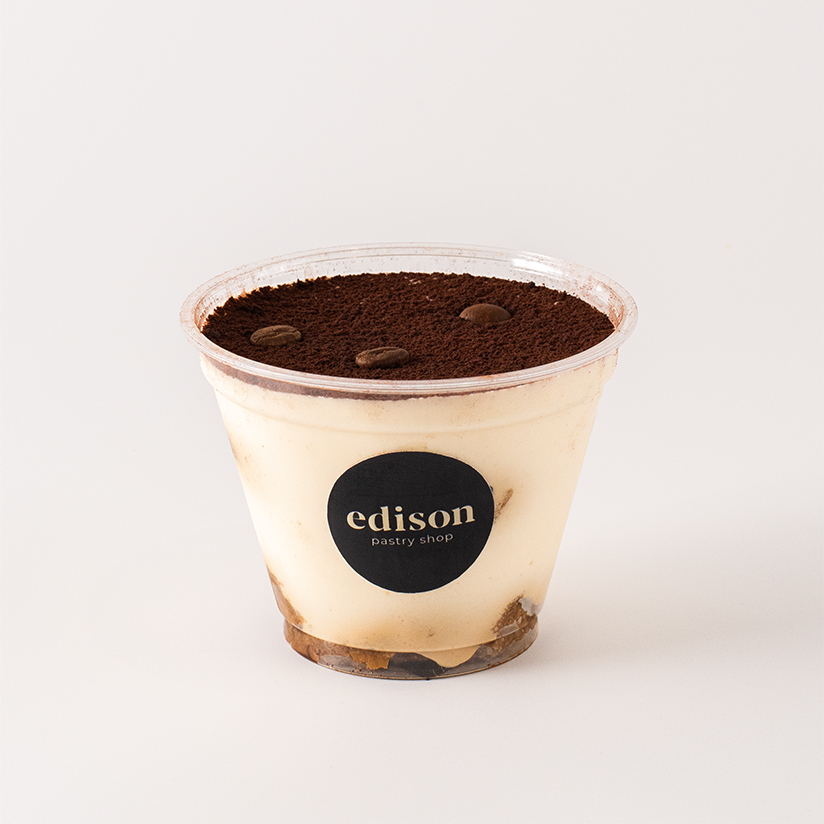
Coffee-soaked savoiardi cookies and mascarpone cream. A classic recipe served in individual portions: no need to cut anything, and you can see the layers through the glass.
How it tastes
The cookies are soaked but not soggy; the mascarpone cream is thick and creamy, with almost no tartness. The coffee adds a bitter note, and the cocoa on top provides a dry chocolate finish. The sweetness is moderate: the tiramisu relies on the contrast between the coffee and cream, rather than on sugar.
When to Order It
Romantic dinners, cocktail parties, office celebrations, birthdays, dessert after a hearty meal, or as a gift. One of the safest choices for a group of adults.
Format and weight
Served in a glass, portion approximately 170 g. Price: 125 UAH.
How to order in Kharkiv
Order on our website or pick it up at our coffee shops. Delivery within Kharkiv and pickup are available.
The History of Tiramisu
Tiramisu seems like an age-old Italian classic, but in reality, it’s one of the youngest well-known desserts in the world—it’s about half a century old.
Treviso, 1970s
The most widely accepted version traces the dessert’s origins to the restaurant Le Beccherie in Treviso, near Venice. The dessert is credited to the restaurant’s owner, Adi Campeol, and pastry chef Roberto Linguanotto. According to legend, the idea came about by accident: Linguanotto dropped some mascarpone into a bowl of sugar and eggs, tasted it—and realized it would make a great dessert.
Ada recalled that she was looking for something nourishing yet light—she had just given birth to a child. The early versions contained very little coffee and no alcohol at all: the dessert was meant to be enjoyed by children as well.
What Does the Name Mean?
Tiramisù literally translates as “lift me up”—that is, “cheer me up.” The name is explained by the combination of coffee, sugar, and eggs: it evokes the idea of a dessert that gives you strength.
Regional Dispute
In 2017, tiramisu was officially recognized as a traditional dish of the Friuli-Venezia Giulia region, sparking outrage in Veneto, where locals insist the dessert originated in Treviso. The dispute continues to this day—a rare case where the origin of a dessert is being debated not centuries ago, but within the living memory of eyewitnesses.

 ~2.3 kg