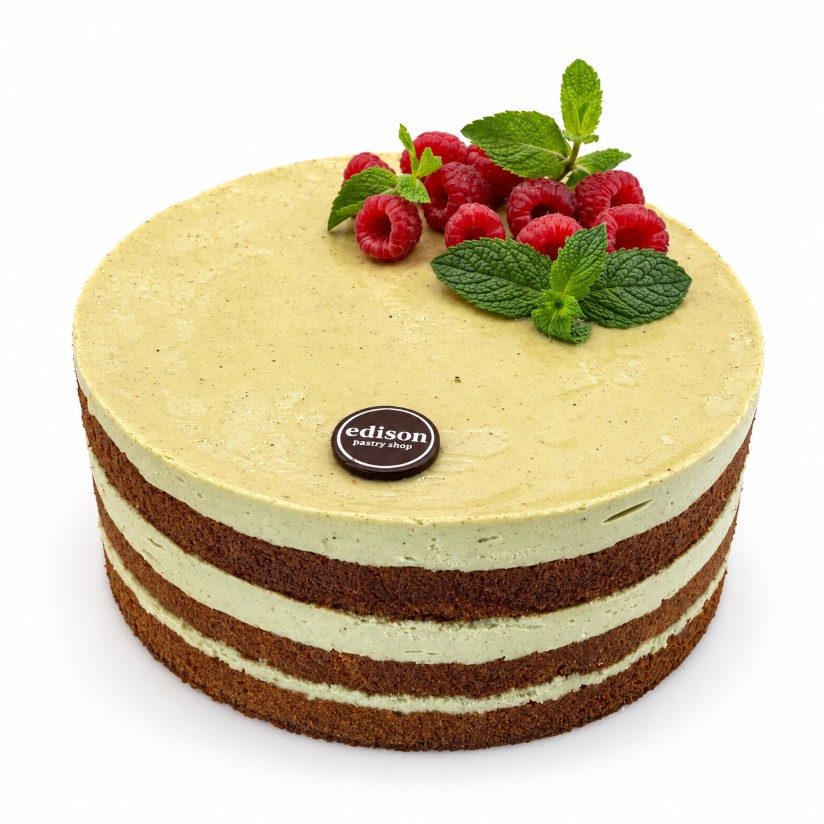
“Mascarpone and Prunes” Cake for a Special Occasion
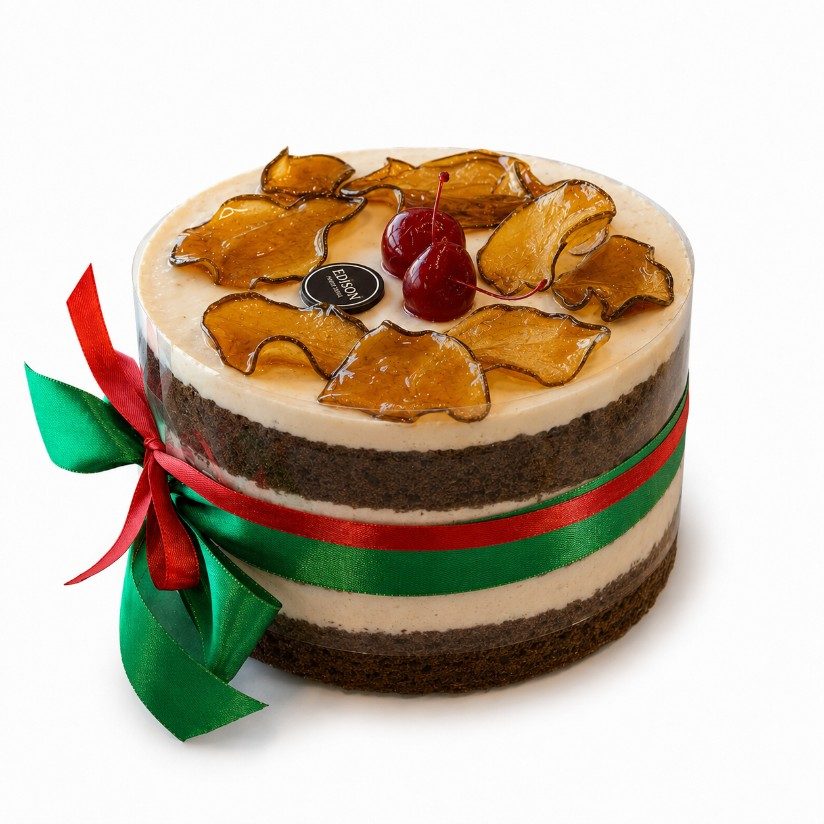
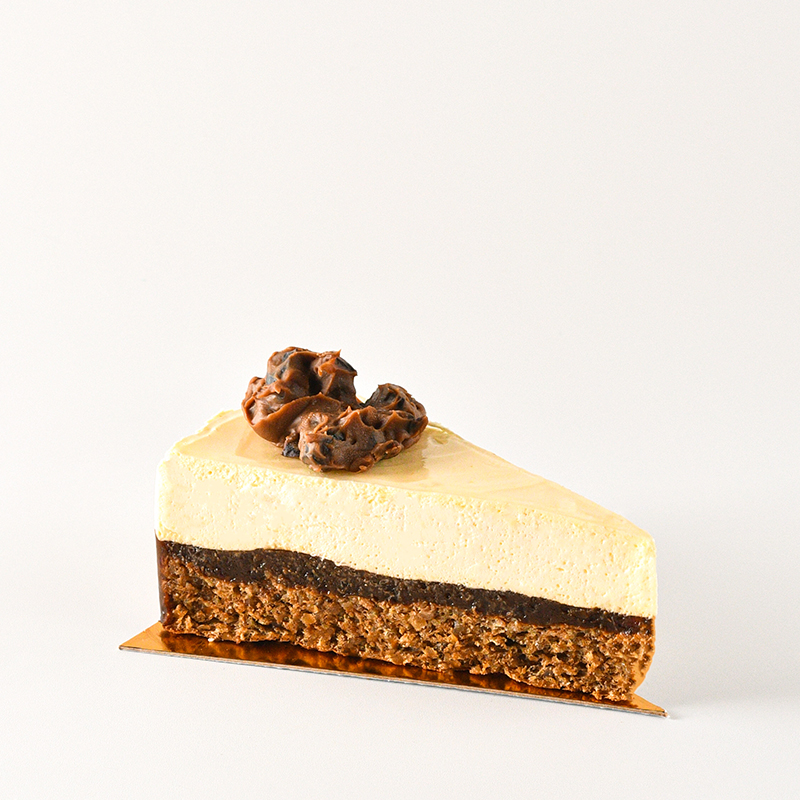
A nutty sponge cake, Italian mascarpone cheese, and prunes—a rich and sophisticated combination. This is one of those cakes that doesn’t try to please everyone, and that’s exactly why it has its own loyal fans.
What Does It Taste Like?
Mascarpone offers a rich, creamy sweetness without any tartness—it’s much milder than regular cream cheese. The prunes add a dark, slightly smoky fruit flavor and a pleasant tartness. The nutty sponge cake holds the structure together and adds crunch.
What Occasions It’s Perfect For
Anniversaries, gatherings with parents, fall and winter feasts, New Year’s Eve dinners, and business dinners. A cake with a “grown-up” character—it’s usually chosen by those who find the usual berry and chocolate flavors too simple.
Weight and Servings
A whole cake weighs 1.2 kg and yields 12 servings of approximately 100 g each. It’s enough for a group of up to twelve guests.
How to Order in Kharkiv
The price for a whole cake is 1320 UAH, and for a slice is 110 UAH. We prepare it for your specified date; orders must be placed at least two days in advance. Delivery within Kharkiv or pickup available.
Note: This product contains nuts—please let us know if any of your guests have allergies.
The History of Mascarpone and Prunes
Both ingredients in this cake were originally developed not for flavor, but to preserve the harvest.
Lombardy and the Cheese That Isn’t Cheese
Mascarpone originates from Lombardy, where it has been made since at least the 16th–17th centuries. Technically, it isn’t cheese in the usual sense: it contains no rennet and isn’t aged. The cream is simply heated and curdled with acid, after which the mixture is strained. Because of this, mascarpone is rich, delicate, and not salty at all—and that is precisely why it became a staple in desserts rather than on a cheese platter.
Agen and Dried Plums
In European cuisine, prunes are primarily associated with the French city of Agen in Gascony. Tradition has it that monks from the Middle East brought a variety of plums suitable for drying there as far back as the era of the Crusades, and the local soil proved ideal for them. Agen remains the leading name in the world of prunes to this day.
Why They Go Together
Drying concentrates the sugar and acids in the plums, adding smoky and caramel notes. Such a rich flavor requires a fatty, neutral base; otherwise, it will overpower the dish. Mascarpone is better suited for this than any other cheese—it has almost no flavor of its own, just texture and creaminess.

 ~2.3 kg